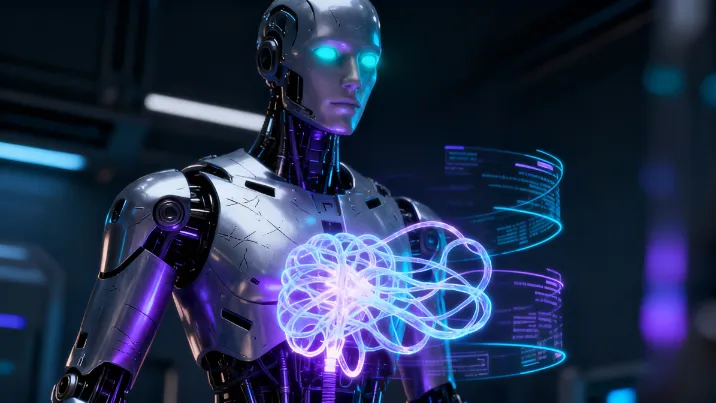

AI classroom are no longer just a futuristic idea—they are actively reshaping how students learn and teachers teach right now. These changes bring hope, engagement, and efficiency into schools worldwide. Many readers may feel curious or even hopeful about how AI is helping education evolve positively today.
1. Personalized Learning Experiences
Imagine a classroom where every student has a learning path tailored just for them. That’s what AI makes possible today. Traditional classrooms often follow a one-size-fits-all approach, but AI changes the game by analyzing each student’s pace, interests, and challenges.
AI-powered platforms can adjust the difficulty level of lessons on the fly, ensuring students neither feel bored nor overwhelmed. For example, if a student struggles with fractions, AI can provide extra practice and explanations while moving faster through topics they grasp easily.
Some students may find this personalized attention a game-changer, boosting their confidence and motivation. It seems likely that as AI continues to improve, personalized learning will become the norm, helping every learner reach their potential.
Teachers also benefit because AI helps identify students who need additional support before problems snowball. This proactive approach fosters a nurturing learning environment where students feel seen and supported.
In essence, AI classroom in personalization create a more inclusive and effective learning experience for everyone involved.
2. Real-Time Feedback and Assessment
One of the most immediate advantages of AI in the classroom is its ability to provide real-time feedback. Instead of waiting days or weeks for test results, students can receive instant insights into their work.
This immediate response helps learners correct mistakes on the spot, reinforcing concepts more effectively. It’s like having a tutor available 24/7, guiding you through each step.
For teachers, this means less time spent grading and more time understanding class-wide trends. AI can analyze which topics confuse many students and recommend adjusting lesson plans accordingly.
Students often feel more motivated when they see their progress in real time. This dynamic feedback loop turns learning into an active, ongoing conversation rather than a one-time evaluation.
Overall, AI classroom in assessment speed up learning and create a more responsive educational environment.
3. Increased Student Engagement
Learning can sometimes feel dull or repetitive, but AI brings a fresh twist to classroom interaction. Many AI tools include gamified elements, virtual assistants, and interactive quizzes that make lessons more fun and immersive.
When students enjoy what they’re doing, they naturally pay closer attention and retain information better. AI’s ability to adapt activities to individual preferences adds another layer of engagement.
For example, AI-driven virtual reality experiences can transport students to historical sites or inside the human body, turning abstract concepts into vivid adventures.
Teachers notice that with AI’s support, students participate more actively and ask deeper questions. It seems likely this engagement will lead to stronger academic outcomes over time.
These AI classroom remind us that learning doesn’t have to be boring—it can be an exciting journey.
4. Accessibility and Inclusivity Enhancements
One of the most heartening aspects of AI in education is its ability to break down barriers. Students with disabilities or language challenges often face obstacles that traditional classrooms struggle to address.
AI-powered tools like speech-to-text, text-to-speech, and real-time translation help these students participate fully in lessons. For example, a student with hearing impairment might use AI captions to follow along effortlessly.
This inclusivity fosters a sense of belonging and equal opportunity. It’s inspiring to see how AI classroom extend beyond academics to social empowerment.
Moreover, AI can customize learning materials to suit diverse needs, making education more accessible for all.
Such advances remind us that technology, when thoughtfully applied, can humanize education and promote fairness.
5. Efficient Administrative Support
Behind every smooth classroom day is a mountain of administrative work. AI quietly takes on tasks like grading multiple-choice quizzes, tracking attendance, and managing schedules.
This automation frees teachers from repetitive chores, giving them more time to connect with students and design creative lessons.
Many educators express relief at how AI reduces their workload and stress levels. It feels like having an invisible assistant who handles paperwork so teachers can focus on what matters most.
Parents and students indirectly benefit from this efficiency too, as teachers become more available and responsive.
These AI classroom might not be flashy, but they are crucial for a healthy learning environment.
6. Data-Driven Insights for Educators
AI’s ability to collect and analyze classroom data opens up new possibilities for teaching. It’s like giving teachers a powerful microscope to understand how each student learns.
With these insights, educators can spot patterns and intervene early when students struggle. For instance, if data shows a group is falling behind in reading, teachers can adjust their approach before gaps widen.
This data-driven strategy helps craft smarter lesson plans and more equitable education. It also supports continuous improvement in teaching methods.
While analyzing data might sound technical, the human benefit is clear: students receive timely support tailored to their needs.
In this way, AI classroom turn information into action, enhancing learning outcomes.
7. Preparing Students for the Future Workforce
Lastly, AI exposure in school prepares students for a world where technology plays an ever-growing role. Beyond basic subjects, learning to interact with AI tools builds valuable digital literacy.
These skills will be essential in many careers, from healthcare to engineering to creative industries. Schools that integrate AI help students feel confident navigating tomorrow’s workplaces.
This forward-looking benefit ties together all the others, showing that AI classroom are about more than immediate gains—they’re about lifelong readiness.
Parents and educators alike often feel hopeful when they see students gaining these competencies early.
It’s a powerful reminder that education shapes not just knowledge but futures.
Tables
| Feature | Traditional Approach | AI-Enhanced Approach |
|---|---|---|
| Lesson Personalization | Uniform lessons for all students | Adaptive lessons tailored to individual needs |
| Feedback Timing | Delayed grading and feedback | Instant, real-time feedback |
| Student Engagement | Standard lectures and worksheets | Interactive games and virtual reality |
| Accessibility Tools | Limited support for disabilities | Speech-to-text, translations, and more |
| AI Tool Name | Function | Benefit |
|---|---|---|
| DreamBox Learning | Adaptive math lessons | Personalized pacing and content |
| Grammarly | Writing assistance | Real-time grammar feedback |
| Microsoft Immersive Reader | Text-to-speech and translation | Supports diverse learners |
| Benefit | Impact on Students | Impact on Teachers | Overall Impact |
|---|---|---|---|
| Personalized Learning | Higher confidence and success | Better insight into student needs | More effective education |
| Real-Time Feedback | Faster correction of errors | Less grading time | Improved learning speed |
| Engagement | More motivation | Easier lesson delivery | Stronger retention |
Frequently Asked Questions
What are the main AI classroom benefits for students?
Students mainly gain personalized learning, real-time feedback, increased engagement, and better accessibility. AI helps tailor lessons to individual needs, making learning more effective and enjoyable.
How does AI improve teacher effectiveness?
AI reduces administrative tasks like grading, provides data insights on student progress, and helps identify areas needing attention. This allows teachers to focus more on teaching and student interaction.
Can AI make learning more inclusive for students with disabilities?
Absolutely. AI-powered tools like speech recognition, text-to-speech, and language translation enable students with disabilities or language barriers to participate fully in classroom activities.
Are there privacy concerns with AI in classrooms?
Privacy is a valid concern. Schools must ensure data is handled securely and transparently. Many AI platforms comply with strict privacy laws, but ongoing vigilance is necessary.
How quickly can schools implement AI tools?
Implementation speed varies. Some tools can be integrated within weeks, while others require more training and infrastructure. Many schools pilot AI in specific subjects before wider adoption.
Will AI replace teachers in the future?
It seems unlikely. AI is designed to assist, not replace teachers. Human connection and guidance remain essential elements of education that AI cannot replicate.
Key Takeaways
- AI personalizes learning to fit individual needs, boosting confidence.
- Instant feedback from AI accelerates student progress.
- Engagement increases through interactive and adaptive AI tools.
- AI enhances accessibility, supporting diverse learners effectively.
- Teachers gain valuable data insights and time-saving automation.
Interesting Facts About AI Classrooms
Studies show that personalized AI learning can improve student retention rates by up to 30%. It’s fascinating how quickly AI tools have moved from novelty to necessity in many classrooms worldwide.
Another fact is that AI-driven grading can reduce teacher workload by as much as 40%, allowing more time for meaningful student interaction.
Additional Resources
For those wanting to explore further, Edutopia’s article on AI in classrooms offers inspiring case studies. The Brookings Institute’s research provides a thoughtful look at AI’s role in education’s future.
Did this guide help? Share your thoughts in the comments below!
How do you feel about AI changing the classroom? Have you experienced any AI tools first-hand? What benefits or challenges have you noticed? Your reflections could help others navigate this exciting shift in education.
Are you optimistic about AI’s role in making learning more inclusive and engaging? Or do you have concerns about privacy and balance? Let’s discuss!