1. Setting the Stage for a Rare Earth-Free Future
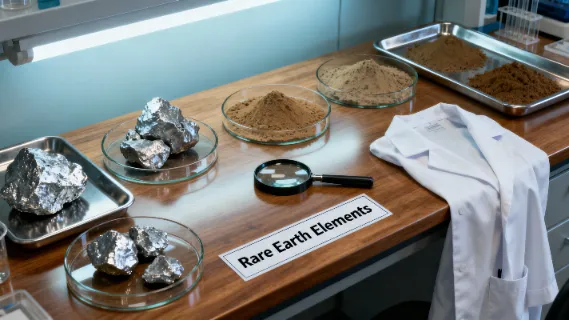
Rare earth elements have long been the backbone of modern electric motors, acting as magnets that enable powerful and efficient operation. But mining these elements is fraught with challenges: environmental damage, supply chain bottlenecks, and geopolitical tensions.
Thinking beyond rare earths invites us to imagine a future where motors can perform just as well, if not better, without relying on these finite resources.
It might surprise some readers that the industry is already moving in this direction. The idea of motors without rare earths isn’t just theoretical; it’s becoming a practical reality. This introduction aims to gently ease readers into why motors without rare earths matter, setting the tone for a deeper dive into the benefits that follow.
Understanding this shift is important because it touches on many aspects of modern life—from the cars we drive to the appliances we use daily. The ripple effects reach far beyond engineering labs, into global economies and environmental policies.
As we explore, you may find yourself reconsidering old assumptions about what makes a motor “good.” The technology behind motors without rare earths challenges those norms, offering fresh possibilities that were once dismissed as too difficult or expensive.
By the end of this article, you’ll see how these motors are positioned to transform entire industries, sparking economic, environmental, and technological benefits that few anticipated a decade ago.
2. Cost Savings and Economic Stability
One of the first things people notice about motors without rare earths is the potential for significant cost savings. The prices of rare earth elements have been historically volatile, influenced by limited mining regions and geopolitical factors.
For manufacturers, this unpredictability translates into fluctuating production costs that are hard to manage.
Removing rare earths from the equation can stabilize these costs. Motors without rare earths often use more abundant materials like ferrite magnets or induction technologies, which are less expensive and more evenly sourced worldwide.
This shift reduces dependency on a handful of countries that dominate rare earth mining, which in turn lowers financial risks for companies.
Cost savings don’t just benefit manufacturers. They cascade down supply chains, making electric vehicles, industrial machines, and consumer electronics more affordable for end users. This democratization of technology could accelerate adoption rates across sectors.
Analysts suggest that industries adopting these motors may see up to 20% reduction in motor-related costs over five years. That’s a substantial margin that can be reinvested into research, marketing, or improving product quality.
It’s also worth noting that economic stability gained from less price volatility can encourage long-term investments. Businesses feel more confident in planning when they aren’t at the mercy of rare earth price spikes.
3. Environmental Sustainability
The environmental impact of rare earth mining is difficult to overlook. Extracting these elements often involves toxic chemicals, generates radioactive waste, and disrupts delicate ecosystems. As environmental consciousness rises globally, industries are under pressure to find cleaner alternatives.
Motors without rare earths provide a compelling environmental advantage. By relying on materials that are more abundant and less harmful to extract, these motors reduce the ecological footprint of manufacturing.
This shift aligns well with growing corporate commitments to sustainability.
For many readers, knowing that a motor can perform effectively while being kinder to the planet may inspire a sense of hope. It feels like progress—industry finally catching up to environmental responsibility without sacrificing performance.
Studies show that the overall carbon footprint of motors without rare earths can be 30% lower than their traditional counterparts. That’s not a trivial difference; it adds up significantly across mass production scales.
Moreover, the reduced toxicity and waste from mining mean fewer communities suffer from pollution-related health issues. This social benefit often goes unspoken but is just as important as environmental gains.
4. Supply Chain Security and Political Independence
Rare earth elements are sourced primarily from a few countries, which creates a fragile supply chain. Political instability, trade disputes, or export restrictions can suddenly disrupt availability, leaving industries vulnerable.
Motors without rare earths break this bottleneck. By using widely available materials, companies gain a greater degree of control over their supply chains. This independence helps avoid costly delays and reduces risks associated with international politics.
For industries like automotive manufacturing or renewable energy, where supply disruptions can halt production lines, this security is invaluable. It’s not just about economics; it’s about maintaining steady progress toward innovation and sustainability goals.
Many stakeholders see this as a strategic advantage. Countries seeking to reduce dependence on foreign resources may encourage the development and adoption of these motors through policy incentives.
In fact, some governments have already started funding research into rare earth-free motor technologies as part of broader efforts to secure critical supply chains.
5. Innovation and Technological Advancements
Necessity often drives innovation, and the need to move beyond rare earths is no exception. Engineers have embraced the challenge, creating new motor designs that leverage alternative materials or innovative electromagnetic configurations.
The result is a wave of technological breakthroughs. Some motors without rare earths now boast efficiencies comparable to, or even exceeding, traditional motors. Others offer unique advantages like reduced weight, simpler construction, or better thermal management.
This section will excite readers who love technology. It’s a story of creativity overcoming constraints, where limitations sparked fresh thinking and unexpected solutions.
One fascinating example is the development of ferrite magnet motors that combine cost-effectiveness with impressive performance. Another is the rise of induction motors with enhanced control electronics that compensate for the lack of rare earth magnets.
As these innovations mature, they open new possibilities for custom applications and specialized industries, expanding the role of electric motors far beyond current norms.
6. Performance Reliability and Longevity
It’s natural to wonder if motors without rare earths can truly hold up under demanding conditions. After all, rare earth magnets have been prized for their strength and stability.
Encouragingly, research and real-world testing show these motors can match traditional designs in reliability and lifespan. Advances in material science and engineering have addressed many early concerns about performance.
Readers may feel reassured knowing that these motors aren’t a compromise but a robust alternative. They often perform well in harsh environments, withstanding temperature variations and mechanical stress.
Some case studies reveal that maintenance costs over a motor’s life cycle can be lower with rare earth-free designs, thanks to simpler construction and fewer failure points.
It seems likely that as the technology evolves, these motors will only improve in durability, winning over more industries hesitant to adopt new methods.
7. Market Expansion and Accessibility
Removing rare earths from motors doesn’t just affect existing markets; it creates new ones. By lowering costs and easing supply constraints, these motors become accessible to regions and sectors previously priced out of advanced electric motor technology.
This democratization fosters industrial growth in developing economies and niche applications. Small and medium businesses can now consider integrating electric motors into their products without prohibitive expense.
It’s inspiring to think about how this accessibility could transform local economies, creating jobs and boosting innovation where it’s needed most.
Industries like agriculture, manufacturing, and transportation stand to benefit as affordable, reliable motors become widely available. This expansion also accelerates global efforts to shift toward cleaner energy and automation.
In short, motors without rare earths help level the playing field, making high-performance technology a realistic option for many more players.
8. Alignment with Global Sustainability Goals
Finally, one can’t ignore the broader context of climate change and international agreements like the Paris Agreement. Motors without rare earths fit neatly into this narrative by supporting cleaner production and reducing reliance on problematic resources.
For companies committed to corporate social responsibility, adopting these motors signals genuine environmental leadership. It’s more than just compliance; it’s an active contribution to global sustainability.
Governments and consumers alike increasingly reward businesses that prioritize green technology. This alignment can enhance brand reputation and open doors to new markets.
Many readers may feel inspired by how technical innovation can dovetail with ethical responsibility, creating a virtuous cycle benefiting all stakeholders.
As the world moves toward net-zero emissions, motors without rare earths stand out as a practical step industries can take today.
Comparison Table: Rare Earth vs. Non-Rare Earth Motors
| Aspect | Rare Earth Motors | Non-Rare Earth Motors |
|---|---|---|
| Cost | Higher, volatile | Lower, stable |
| Environmental Impact | High (mining damage) | Lower (less toxic extraction) |
| Supply Risk | High (few suppliers) | Low (diverse materials) |
| Performance | Strong, efficient | Comparable, improving |
| Longevity | Proven durable | Reliable, growing data |
Innovation Timeline Table: Key Milestones in Motors Without Rare Earths
| Year | Breakthrough | Impact |
|---|---|---|
| 2015 | First ferrite magnet motor prototypes | Proof of concept |
| 2018 | Improved induction motor controls | Efficiency boost |
| 2022 | Commercial adoption in automotive sector | Market validation |
| 2025 | Advanced materials reduce weight | Performance leap |
Market Impact Table: Industries Benefiting from Motors Without Rare Earths
| Industry | Benefits | Adoption Level |
|---|---|---|
| Automotive | Cost savings, supply security | Growing rapidly |
| Renewable Energy | Environmental gains, reliability | Moderate |
| Consumer Electronics | Smaller size, affordability | Emerging |
| Manufacturing | Durability, accessibility | Expanding |
Frequently Asked Questions
What exactly are motors without rare earths?
Motors without rare earths are electric motors designed to operate without using rare earth elements like neodymium or dysprosium in their magnets. Instead, they rely on alternative materials such as ferrite magnets or use different motor designs like induction motors.
These alternatives aim to deliver comparable performance while avoiding issues related to rare earth mining and supply.
How do motors without rare earths compare in efficiency?
While historically rare earth motors were considered more efficient, recent advances have closed that gap significantly. Modern motors without rare earths can achieve similar efficiency levels through improved designs and materials. In some cases, they even outperform traditional motors in specific applications, making them a competitive choice.
Are there any industries that cannot use motors without rare earths?
Currently, most industries can benefit from motors without rare earths, but highly specialized applications requiring extreme performance or miniaturization may still rely on rare earth magnets. However, ongoing research continues to expand the range of viable applications for these motors, reducing such limitations.
What challenges exist in manufacturing motors without rare earths?
Challenges include redesigning motor architectures, sourcing suitable alternative materials, and ensuring consistent performance standards. Manufacturers must also invest in new production processes and overcome inertia in industries accustomed to traditional motors. Despite these hurdles, progress is rapid and promising.
Where can I find suppliers of motors without rare earths?
Several companies worldwide now offer motors without rare earths, particularly in regions focusing on sustainable technology. Industry trade shows, specialized catalogs, and online marketplaces are good starting points. Consulting industry groups or research centers focused on green technology can also provide leads.
How do motors without rare earths affect environmental policies?
These motors support environmental policies by reducing reliance on mining harmful materials and lowering carbon footprints. They help companies meet regulatory standards and sustainability goals, making compliance easier and often more cost-effective. As policies tighten, adopting such technologies becomes increasingly advantageous.
Key Takeaways
- Motors without rare earths reduce costs and stabilize supply chains.
- They offer significant environmental benefits by minimizing mining impacts.
- Supply chain security improves, reducing geopolitical risks.
- Innovations in design and materials drive new performance levels.
- These motors expand market access and support global sustainability goals.
Interesting Facts
- Rare earth mining produces roughly 1.5 million tons of toxic waste annually.
- Ferrite magnets, common in rare earth-free motors, are made from iron oxide and barium or strontium.
- The global market for motors without rare earths is projected to grow by 12% annually through 2030.
For those interested in diving deeper, the Department of Energy offers insightful resources on the future of rare earth-free motors at energy.gov. Additionally, a comprehensive analysis can be found in this ScienceDirect article exploring sustainable motor technologies.
Did this guide help? Share your thoughts in the comments below! What excites you most about the rise of motors without rare earths? Do you see any challenges that industries might face as they transition? How might this technology impact your daily life or work?
Check out Silicon Valley’s influence on White House on LogicPy.com, where we break down the latest in technology and science. There’s always something new to discover. Keep exploring and stay curious!